SAVIR Member Spotlight: Henry Xiang, MD, MPH, PhD, MBA
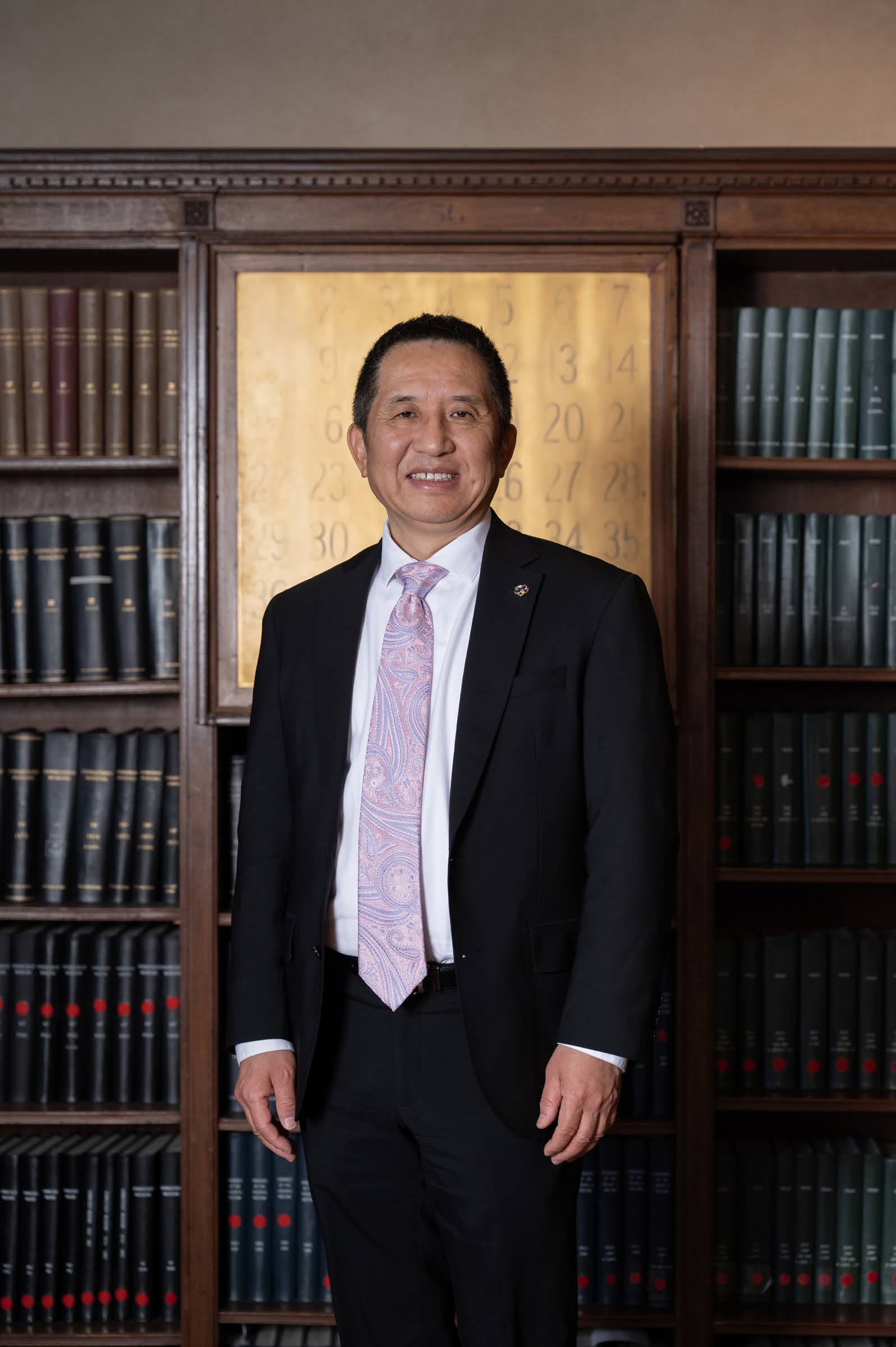
Henry Xiang, MD, MPH, PhD, MBA, Professor of Medicine and Epidemiology, Center for Injury Research and Policy, Nationwide Children’s Hospital, The Ohio State University
Tell us about your areas of interest within injury and violence prevention. Why did you decide to pursue a career in this field?
My primary areas of interest within injury and violence prevention are injury epidemiology, pediatric trauma care evaluation, chronic pain, and digital health therapeutics. Over the years, I have sought to integrate causal inference methods, translational science, and extended reality (XR) technologies to advance both prevention and care for children and families worldwide. My path into this field began during my medical training in China, where I witnessed firsthand the devastating impact of preventable injuries and the consequences of limited access to care in vulnerable populations. These early experiences left a lasting impression and motivated me to dedicate my career to reducing the burden of injuries through science, innovation, and public health leadership. After completing advanced training in epidemiology in the United States, I concentrated my research on injury surveillance and intervention, guided by a core belief that better data and better science can lead to better outcomes. Throughout my career, I have worked to advance global collaborations in injury research, including serving as a scientific contributor to the World Health Organization’s World Report on Disability, co-leading the NIH Fogarty–funded USA–China Agricultural Injury Training Project, and more recently establishing the Global Association for Pediatric Extended Reality (GAP-XR) to accelerate innovation in digital health for children worldwide. These efforts have reinforced my belief that injury prevention and trauma care are not only scientific endeavors, but also matters of equity, compassion, and global responsibility. Today, I remain deeply committed to advancing rigorous science, translating discoveries into real-world care, and mentoring the next generation of injury researchers who will carry this mission forward.
How long have you been a member of SAVIR? What has been your favorite part about being involved with SAVIR?
I have been a member of SAVIR since 1995, and the society has been a cornerstone of my professional life for three decades. My favorite part has been the opportunity to work alongside such talented colleagues, dreaming big together and making bold, strategic moves to advance our field. Serving as SAVIR President from 2021 to 2023 was especially meaningful—I was able to work together with my colleagues to create new recognition programs, including the Presidential Award, the Excellence in Science Award, and the Early Career Excellence Award, which continue to inspire our community. For me, SAVIR embodies a spirit of collaboration, innovation, and shared vision that makes our work both impactful and rewarding.
What has been the most rewarding aspect of your career so far?
The most rewarding aspect of my career has been the opportunity to mentor and support the next generation of injury researchers and physician-scientists. Over the years, I have guided more than 100 trainees—from high school students to junior faculty—many of whom now serve in leadership roles in academia, public health, and medicine around the world. Seeing their success and impact has been a source of great pride. Equally rewarding has been building global collaborations, such as the NIH Fogarty USA–China Agricultural Injury Training Project and the Global Association for Pediatric Extended Reality (GAP-XR), which have expanded the reach of our science and fostered innovation internationally. I am also proud to have maintained continuous NIH and federal funding since 1995, which has allowed me to sustain long-term contributions to injury science, trauma care evaluation, and digital health therapeutics. Above all, knowing that my work has helped translate research into real-world care and prevention—reducing the burden of injury, trauma, and pain for children and families—has been the most meaningful part of my journey.
What do you like to do in your free time?
In my free time, I enjoy gardening and fishing, both of which help me slow down, reflect, and stay grounded. Gardening teaches patience and reminds me that growth takes time and care, while fishing provides peace, focus, and the opportunity to appreciate the natural world. These hobbies balance the intensity of my professional life and give me space to think creatively. I only wish I had more time to devote to them.
Related Newsletter

October 4, 2026
Welcome to SAVIR: September 2026 New Members
SAVIR is thrilled to welcome our newest members who joined our community in September 2026!…
October 4, 2026
Missed the 2026 Fall Forum? Watch the Recordings Now
Recordings from SAVIR's virtual Fall Forum 2026 are now available. If you missed a session,…

October 3, 2026
New CDC Reports Highlight Buprenorphine Access and Cannabis in Overdose Deaths
At CDC, data and science are central to overdose prevention. Research on emerging substance threats…
October 3, 2026
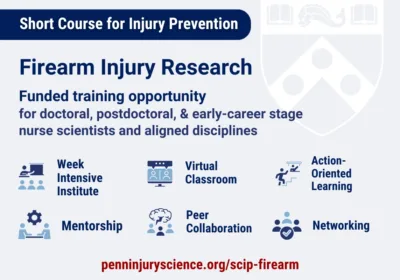
Funded Opportunity – Short Course on Firearm Injury Research
The University of Pennsylvania, in collaboration with Vanderbilt University, invite you to apply for the R25…