SAVIR Member Spotlight: Kari K Harland, PhD MPH
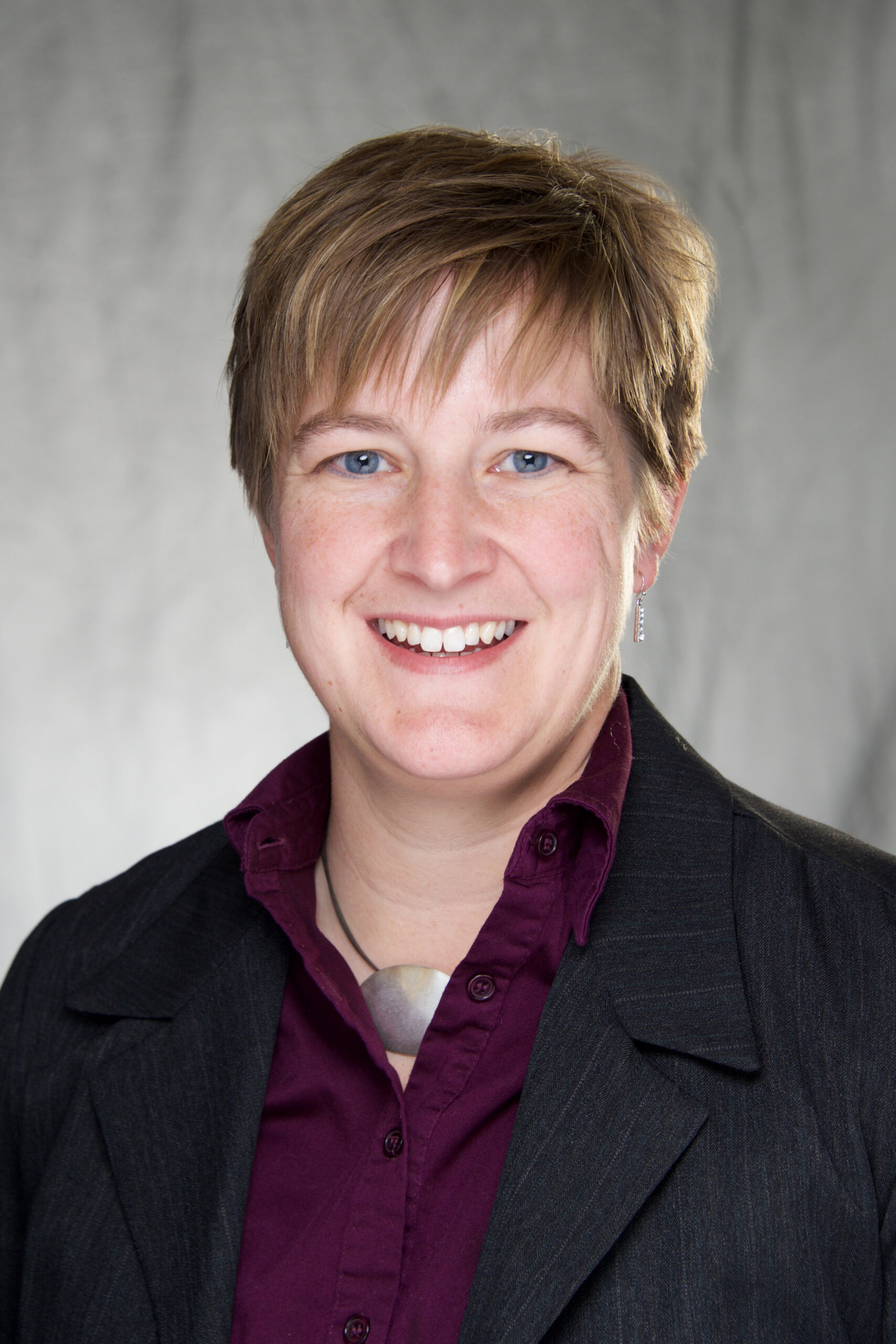
Kari K Harland, PhD MPH, Research Assistant Professor, University of Iowa, Department of Emergency Medicine and Injury Prevention Research Center
Tell us about your areas of interest within injury and violence prevention. Why did you decide to pursue a career in this field?
My work centers on preventing interpersonal forms of violence—intimate partner violence, teen dating violence, and sexual violence—and understanding how policy, systems, and communities can better protect those most at risk. Over the years, I’ve become especially passionate about the intersection of public health, law, and lived experience. Whether I’m analyzing state teen dating violence policies, evaluating school based programs, or working with emergency department teams to identify violence during moments of crisis, I’m drawn to questions that have immediate human impact. I’m also deeply invested in legal epidemiology: how the laws we write shape the safety and wellbeing of real people. Pairing data with policy has allowed me to contribute to state level and national conversations about violence prevention, and it’s one of the areas of my work that I find most energizing. I found my way into injury and violence prevention organically, through life experiences of family being harmed by partners and research experiences that stayed with me. During graduate school, working on studies involving intimate partner violence and maternal health opened my eyes to how many people carry invisible injuries long before ever reaching a clinic or emergency department. I realized how much of this suffering is preventable with thoughtful systems, policies, and early intervention. I’ve always been someone driven by purpose, and this field offered that in a profound way. Injury and violence prevention lets me combine rigorous epidemiology with meaningful, tangible impact. It bridges data and humanity—two things I care deeply about. And working alongside emergency medicine colleagues, public health partners, school communities, and state agencies has only reinforced that I’m in the right place. I chose this career because it allows me to ask hard questions, amplify the experiences of vulnerable populations, and help build environments where safety is the norm—not the exception.
How long have you been a member of SAVIR? What has been your favorite part about being involved with SAVIR?
I’ve been a member of SAVIR since 2010, when I attended my very first SAVIR conference hosted by the University of Iowa Injury Prevention Research Center. From the beginning, it felt like finding “my people.” My favorite part about being involved with SAVIR is how personal and connected the community feels, even with hundreds of members. It’s a place where collaborations form naturally across states and institutions, and those collaborations often grow into career long friendships. SAVIR has been a constant source of support, inspiration, and connection throughout my career.
What has been the most rewarding aspect of your career so far?
For me, the most rewarding part of my career has been seeing research translate into change—whether that’s helping inform statewide violence prevention programming, shaping teen dating violence education policies, or supporting clinicians as they research and navigate some of the most sensitive and critical moments in patient care. Equally meaningful is the mentoring and collaboration that comes with this work. Guiding students, partnering with clinicians, and working closely with interdisciplinary teams has been a joy. Watching trainees grow into independent researchers and practitioners in injury and violence prevention is one of the things I’m most proud of. But at the core, what keeps me motivated is the communities and individuals this work is ultimately meant to support. Each project is a reminder that data can be a powerful tool for empathy and action. Anytime I see evidence used to improve safety, support survivors, or shift policy even slightly in the right direction—it reinforces why I chose this path.
What do you like to do in your free time?
In my free time, I love spending time with my husband, our three kids, and our two dogs. I especially enjoy following my kids to all their activities and grabbing $1 Taco Tuesdays—on most Tuesdays—with my husband, Ryan.
Related Newsletter

October 4, 2026
Welcome to SAVIR: September 2026 New Members
SAVIR is thrilled to welcome our newest members who joined our community in September 2026!…
October 4, 2026
Missed the 2026 Fall Forum? Watch the Recordings Now
Recordings from SAVIR's virtual Fall Forum 2026 are now available. If you missed a session,…

October 3, 2026
New CDC Reports Highlight Buprenorphine Access and Cannabis in Overdose Deaths
At CDC, data and science are central to overdose prevention. Research on emerging substance threats…
October 3, 2026
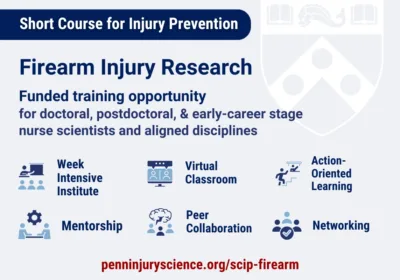
Funded Opportunity – Short Course on Firearm Injury Research
The University of Pennsylvania, in collaboration with Vanderbilt University, invite you to apply for the R25…